_1669849905.webp)
.png)
Building Skills with Tactical Athlete Training Programs

When you set your sights on elite performance, you need more than just raw strength or endurance. You need precision, resilience, and a finely tuned skill set that prepares you for the unpredictable. That’s where tactical athlete training programs come in. These programs are designed to build not only your physical capacity but also your mental toughness and technical skills. Ready to elevate your game? Let’s dive into how you can build skills with tactical athlete training programs and become the high-performing individual you aspire to be.
Why Tactical Athlete Training Is a Game-Changer
You might be wondering, what makes tactical athlete training different from traditional fitness routines? The answer is simple: it’s purpose-driven and mission-focused. Unlike generic workouts, tactical training mimics real-world scenarios that demand quick thinking, agility, and strength under pressure. This means every movement, every drill, and every session is crafted to sharpen your ability to perform in high-stress environments.
Think about it. Are you training to just lift weights or run fast? Or are you training to move efficiently with gear, make split-second decisions, and maintain endurance when the stakes are highest? Tactical athlete training programs prepare you for the latter. They blend strength, speed, endurance, and skill development into a cohesive system that builds a complete athlete.
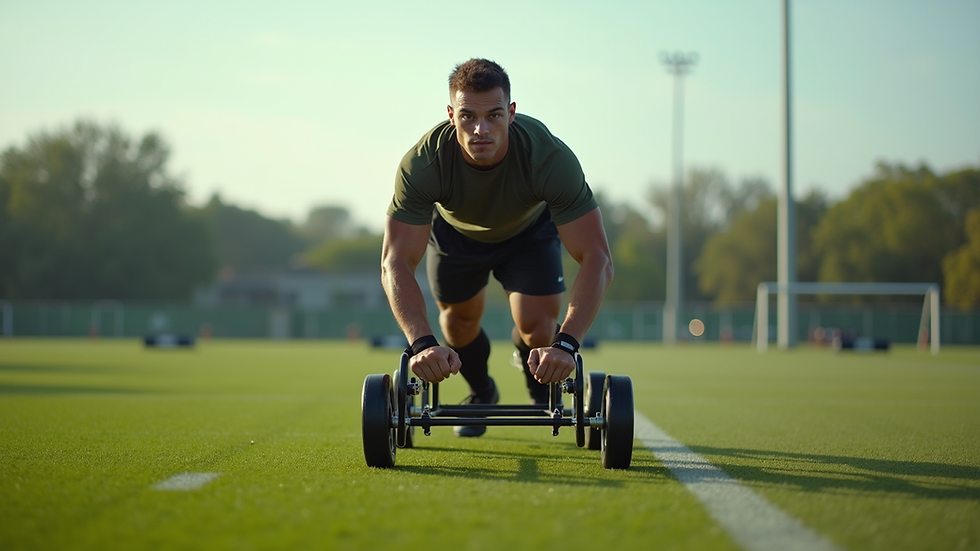
Core Components of Tactical Athlete Training
To build skills effectively, you need to understand the core components that make tactical athlete training so effective. Here’s what you should focus on:
1. Functional Strength and Power
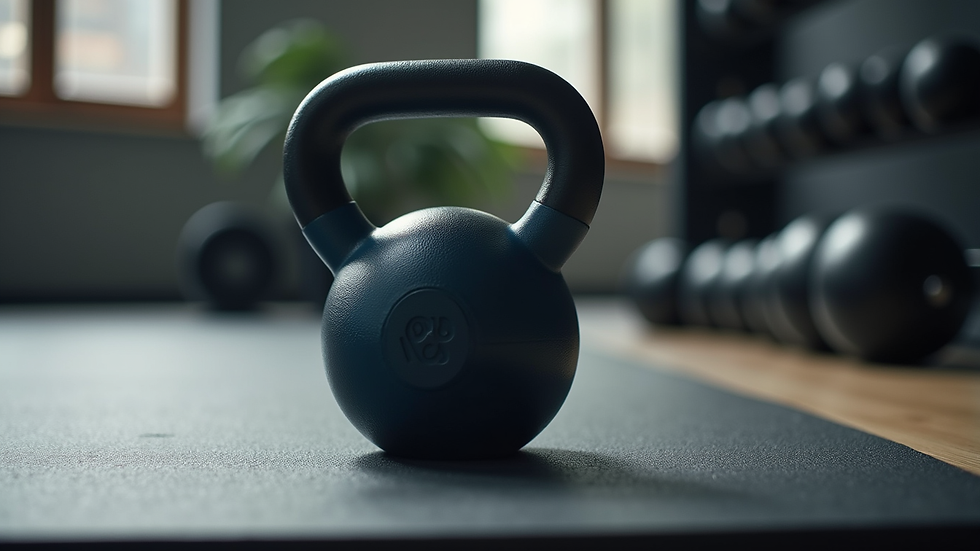
Forget isolated muscle workouts. You need strength that translates directly to real-world tasks. This means compound lifts like deadlifts, squats, and presses combined with explosive movements such as kettlebell swings and plyometrics. These exercises build the power to move quickly and handle heavy loads, whether it’s carrying equipment or breaching a door.
2. Cardiovascular and Muscular Endurance
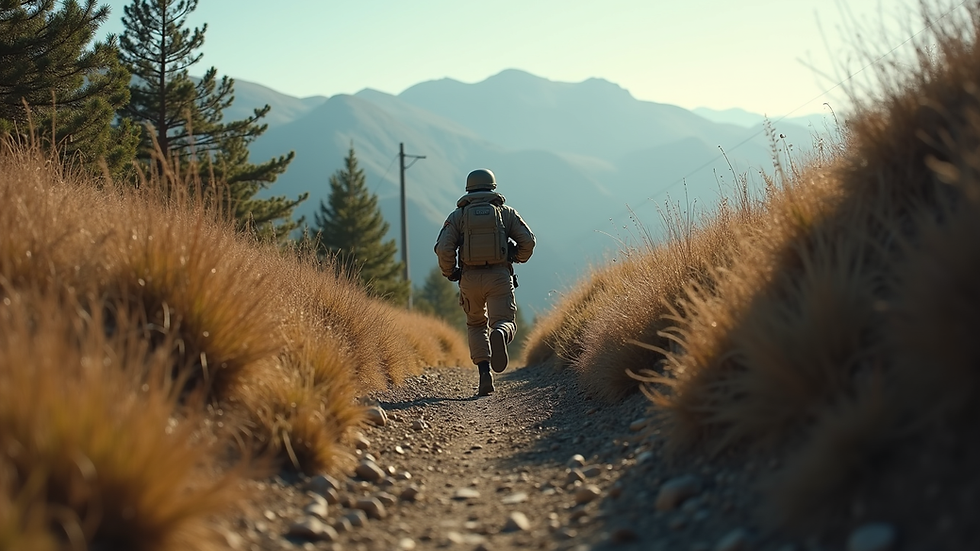
Long missions demand stamina. You’ll train your heart and muscles to sustain effort over extended periods. Interval training, rucking with weighted packs, and circuit workouts are staples here. These methods push your aerobic and anaerobic systems, ensuring you don’t just start strong—you finish strong.
3. Mobility and Flexibility
In tight spaces or uneven terrain, mobility is your best friend. Tactical training includes dynamic stretching, joint mobility drills, and yoga-inspired movements to keep your body agile and injury-resistant. Don’t underestimate the power of flexibility—it’s the foundation for fluid, efficient movement.
4. Mental Toughness and Focus
Physical skills alone won’t cut it. You must develop mental resilience to stay calm and focused under pressure. Training scenarios often include stress inoculation techniques, breathing exercises, and mindfulness practices. These sharpen your ability to think clearly and act decisively when it matters most.
5. Skill-Specific Drills
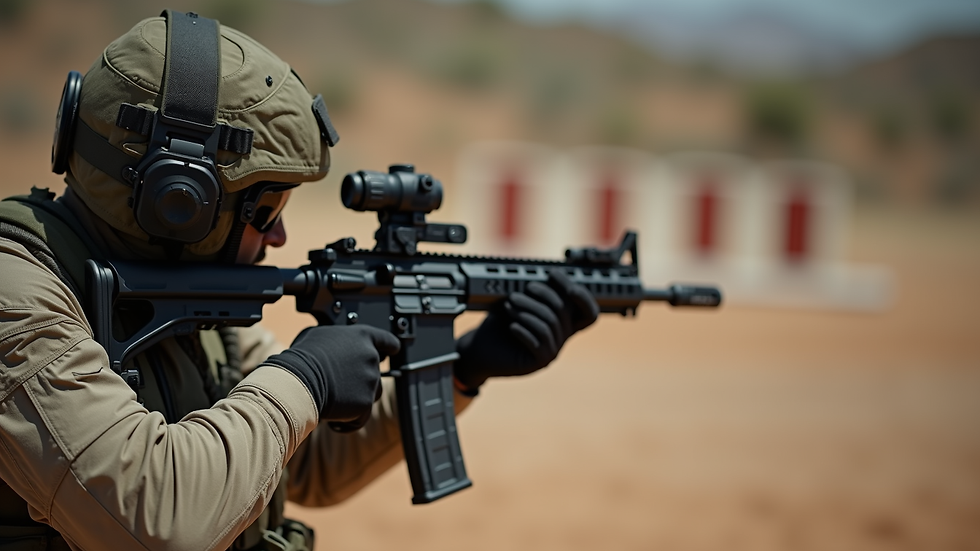
Whether it’s marksmanship, navigation, or hand-to-hand combat, tactical training integrates skill drills that simulate operational tasks. This hands-on approach ensures you’re not just fit—you’re ready.
How to Build Skills with Tactical Athlete Training Programs
Now that you know the building blocks, how do you put them together into a training plan that works? Here’s a step-by-step approach to maximize your skill development:
Step 1: Assess Your Baseline
Start by evaluating your current fitness and skill levels. Identify strengths and weaknesses honestly. This will help you tailor your training to address gaps and build on what you already do well.
Step 2: Set Clear, Measurable Goals
What skills do you want to master? Is it improving your ruck time, increasing your deadlift, or enhancing your situational awareness? Set specific targets with deadlines. Goals keep you accountable and motivated.
Step 3: Follow a Structured Program
Consistency is king. Choose a tactical athlete training program that aligns with your goals and stick to it. These programs are designed to progressively challenge you, balancing intensity with recovery.
Step 4: Incorporate Skill Drills Regularly
Don’t just train your body—train your skills. Dedicate time each week to drills that simulate real-world tasks. This could be obstacle courses, tactical movement patterns, or scenario-based exercises.
Step 5: Track Progress and Adjust
Keep a training journal or use an app to log workouts, times, and skill improvements. Review your progress monthly and tweak your program as needed. Adaptability is key to continuous growth.
Overcoming Common Challenges in Tactical Training
Training at this level isn’t easy. You’ll face plateaus, fatigue, and mental roadblocks. Here’s how to push through:
Plateaus: Change your routine every 4-6 weeks. Introduce new exercises or increase intensity to shock your body into growth.
Fatigue: Prioritize recovery. Sleep, nutrition, and active rest days are non-negotiable.
Mental Barriers: Use visualization and positive self-talk. Remind yourself why you started and what you’re capable of.
Time Constraints: Quality beats quantity. Even short, focused sessions can yield big results if done right.
Why You Should Choose a Tactical Athlete Training Program
You might be tempted to piece together your own workouts, but a professionally designed tactical athlete training program offers unmatched benefits:
Expertise: Programs are built on real-world military experience and scientific principles.
Efficiency: Every session has a purpose, maximizing your time and effort.
Progression: You’ll follow a proven path that builds skills systematically.
Support: Many programs offer coaching, community, and resources to keep you motivated.
If you want to train like the best, you need to train with the best. That’s why I recommend investing in a tactical athlete training program that challenges you physically and mentally while preparing you for the demands of elite performance.
Take Your Training to the Next Level Today
You’ve got the blueprint. Now it’s time to act. Building skills with tactical athlete training programs isn’t just about working harder—it’s about working smarter. Focus on functional strength, endurance, mobility, mental toughness, and skill drills. Set clear goals, follow a structured plan, and track your progress relentlessly.
Remember, elite performance is a journey, not a destination. Every rep, every mile, every drill brings you closer to the athlete you want to become. So, what are you waiting for? Step up, commit, and transform your potential into power.
Your mission starts now. Own it.

Comments