_1669849905.webp)
.png)
Mastering Advanced Fitness Techniques for Peak Performance

Achieving peak physical performance requires more than just basic workouts. It demands a deep understanding of advanced fitness techniques that push your body beyond its limits safely and effectively. Whether you are an athlete, a fitness enthusiast, or someone looking to elevate your training, mastering these techniques can transform your results. This guide will walk you through essential strategies, exercises, and tips to help you reach your highest potential.
Understanding Advanced Fitness Principles
To excel in advanced fitness, you must first grasp the core principles that differentiate it from beginner or intermediate training. These principles focus on optimizing your workout efficiency, enhancing muscle adaptation, and preventing injury.
Progressive Overload
Progressive overload is the gradual increase of stress placed on the body during exercise. This can be achieved by:
Increasing weight or resistance
Adding more repetitions or sets
Reducing rest time between sets
Enhancing exercise complexity
For example, if you currently bench press 100 pounds for 8 reps, aim to increase the weight to 105 pounds or add an extra rep in your next session. This consistent challenge forces your muscles to grow stronger and more resilient.
Periodization
Periodization involves structuring your training into cycles that focus on different goals such as strength, hypertrophy, or endurance. A typical periodization plan might include:
Hypertrophy Phase - Moderate weights, higher reps (8-12), focusing on muscle growth.
Strength Phase - Heavier weights, lower reps (3-6), focusing on maximal strength.
Power Phase - Explosive movements with moderate weights, focusing on speed and power.
Recovery Phase - Reduced intensity to allow for muscle repair and growth.
This approach prevents plateaus and overtraining by varying the stimulus your body receives.
Functional Training
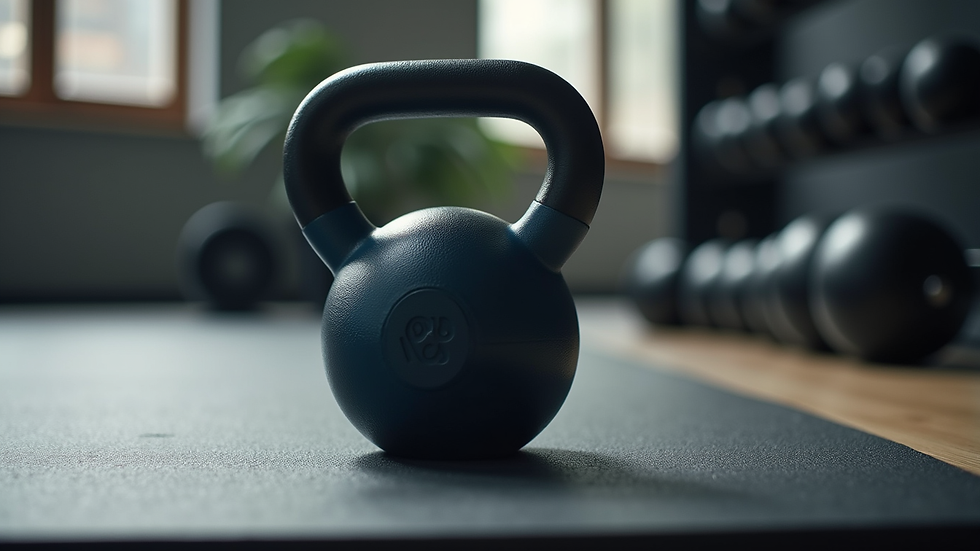
Functional training emphasizes movements that mimic real-life activities, improving overall coordination, balance, and strength. Exercises like kettlebell swings, medicine ball throws, and compound lifts (e.g., deadlifts, squats) are staples in this category.

Incorporating functional training enhances your ability to perform daily tasks and athletic movements with greater efficiency and less risk of injury.
Advanced Fitness Workouts to Boost Performance
Once you understand the principles, it’s time to apply them through targeted workouts. Here are some advanced routines designed to maximize your strength, endurance, and agility.
High-Intensity Interval Training (HIIT)
HIIT alternates between short bursts of intense activity and periods of rest or low-intensity exercise. This method improves cardiovascular fitness, burns fat, and builds muscle endurance.
Sample HIIT Workout:
30 seconds sprint
30 seconds walk or jog
Repeat for 10 rounds
Cool down with 5 minutes of light jogging
This workout can be adapted to cycling, rowing, or bodyweight exercises like burpees and jump squats.
Complex Strength Training
Complexes involve performing a series of exercises back-to-back with the same weight and minimal rest. This technique builds muscular endurance and metabolic conditioning.
Example Complex:
Deadlift x 6 reps
Bent-over row x 6 reps
Hang clean x 6 reps
Front squat x 6 reps
Overhead press x 6 reps
Rest for 2 minutes and repeat 3-4 times.
Plyometric Training
Plyometrics focus on explosive power through jumping and bounding exercises. They improve fast-twitch muscle fibers, essential for sprinting, jumping, and quick directional changes.
Plyometric Exercises:
Box jumps
Depth jumps
Broad jumps
Lateral bounds
Start with low heights and gradually increase as your technique and strength improve.

Nutrition and Recovery for Advanced Fitness
Training hard is only part of the equation. Proper nutrition and recovery are critical to support your body’s demands and optimize performance.
Macronutrient Balance
Focus on a balanced intake of:
Proteins: Essential for muscle repair and growth. Aim for 1.2 to 2.0 grams per kilogram of body weight daily.
Carbohydrates: Primary energy source, especially for high-intensity workouts. Include complex carbs like oats, brown rice, and sweet potatoes.
Fats: Important for hormone production and joint health. Choose healthy fats from avocados, nuts, and olive oil.
Hydration
Dehydration impairs performance and recovery. Drink water consistently throughout the day and consider electrolyte replacement during prolonged or intense sessions.
Sleep and Rest
Aim for 7-9 hours of quality sleep per night. Sleep is when your body repairs tissues, consolidates memory, and balances hormones. Incorporate rest days and active recovery like yoga or light swimming to prevent burnout.
Incorporating Special Forces Fitness Training Techniques
One of the most effective ways to elevate your fitness is by integrating methods used in special forces fitness training. These programs emphasize functional strength, endurance, mental toughness, and agility.
Special forces training often includes:
Ruck marches with weighted backpacks to build endurance and strength.
Obstacle course navigation to improve agility and problem-solving under stress.
Bodyweight circuits that develop muscular endurance and core stability.
Mental resilience drills to enhance focus and stress management.
Adopting these elements can help you develop a well-rounded fitness profile that prepares you for any physical challenge.

Tracking Progress and Staying Motivated
Consistency and tracking are key to mastering advanced fitness techniques. Use these strategies to stay on course:
Keep a training journal: Record exercises, weights, reps, and how you feel each day.
Set SMART goals: Specific, Measurable, Achievable, Relevant, and Time-bound goals keep you focused.
Use technology: Fitness trackers and apps can monitor heart rate, sleep, and workout intensity.
Join a community: Training with others or hiring a coach provides accountability and support.
Regularly reassess your progress every 4-6 weeks and adjust your program to continue challenging your body.
Mastering advanced fitness techniques is a journey that combines knowledge, discipline, and smart training. By applying these principles and workouts, fueling your body properly, and embracing proven methods like special forces fitness training, you can unlock your peak performance and achieve your fitness goals.


Mình có thói quen thử trải nghiệm trên cả PC và mobile để so sánh. Khi truy cập vào live casino và game bài, mình thấy tốc độ phản hồi khá đều. Trong quá trình đọc thêm thông tin về s8 mình nhận thấy hệ thống còn tích hợp thêm slot, esport và thể thao nên tạo cảm giác đầy đủ hơn. Các danh mục được phân chia rõ nên không mất nhiều thời gian làm quen. Cá nhân mình cảm thấy tổng thể được tổ chức khá hợp lý.
Khi đọc các bài giới thiệu nền tảng giải trí, tôi thường thích những bài viết ngắn gọn để có thể xem nhanh trên điện thoại. Bài viết này có bố cục khá dễ theo dõi khi phần nhắc đến xem trực tiếp bóng đá được đặt ở giữa nội dung. Điều đó giúp mạch bài trở nên tự nhiên hơn và không tạo cảm giác quảng cáo quá sớm. Nội dung tập trung vào trải nghiệm chung của người dùng với giao diện dễ sử dụng và nhiều danh mục quen thuộc như slot, game bài hay mini game. Nhìn chung cách diễn đạt khá nhẹ nhàng và dễ hiểu.
https://kkwin.poker/ mình tình cờ bắt gặp khi đang lướt xem một số nội dung trên mạng và chú ý đến phần thông tin được nhắc bên dưới. Mình ghé qua xem sơ giao diện, thấy các danh mục được phân chia thành từng khu vực riêng nên khá dễ quan sát. Nội dung được sắp xếp theo từng phần, các mục chính có vị trí tương đối dễ nhận biết, giúp người xem hình dung cấu trúc chung của website. Nhìn tổng thể, bố cục được trình bày khá gọn, các khu vực nội dung tách biệt nên dễ theo dõi khi lướt qua.
https://lv88seo.com/ vô tình lọt vào mắt mình khi đang xem một video rồi đọc phần thông tin liên quan bên dưới. Có một đường dẫn khiến mình tò mò nên mở thử, hoàn toàn không phải đang tìm đúng trang này từ trước. Mình chủ yếu xem giao diện và kéo xuống một vòng chứ không đọc kỹ từng nội dung. Phần hình ảnh và chữ được bố trí khá cân đối, các tiêu đề nổi bật vừa đủ nên nhìn nhanh vẫn biết từng khu vực nói về gì. Thử lướt trên điện thoại một lúc cũng khá ổn, không có cảm giác quá rối.
FLY88 dạo này mình thấy có người nhắc tới khi nói về các nền tảng giải trí trực tuyến nên cũng thử mở vào xem cách họ bố trí giao diện ra sao. Mình không đi sâu vào nội dung hay từng trò cụ thể, mà chủ yếu quan sát cách các chuyên mục được phân chia trên trang và cách thông tin hiển thị cho người dùng. Nhìn tổng thể thì các khu như thể thao, casino, game bài hay slot thường được sắp xếp theo từng nhóm khá rõ, hiển thị dạng khối và danh sách nên lướt qua cũng dễ theo dõi. Các bảng dữ liệu được trình bày dạng cột khá gọn, giúp quan sát nhanh…